
Staying Safe on the Water: Boating on Lake Garda
Safe watersports on Lake Garda: practical tips on boating, sailing, wind conditions, equipment, rules and emergency measures for unforgettable days on the water.
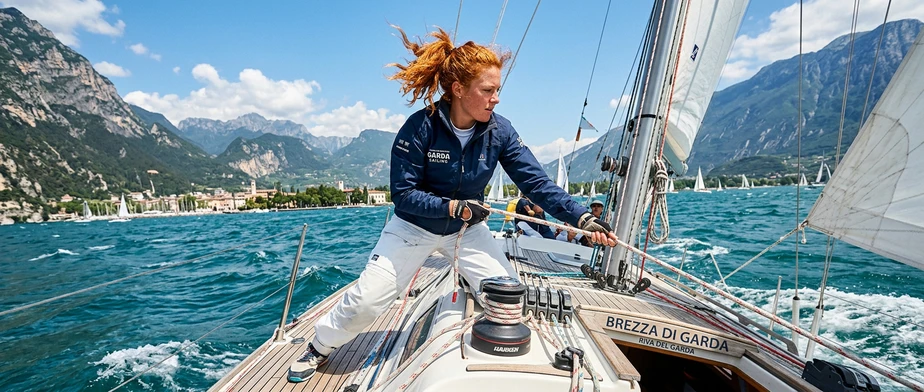
Lake Garda attracts not only sunbathers and hikers. Watersports enthusiasts also find ideal conditions here. Whether you are out on a motorboat, a sailing boat or trying waterskiing, Italy’s largest inland lake offers countless ways to enjoy the water. As tempting as the turquoise waves may be, safety must always come first. Lake Garda has its pitfalls, and anyone who understands them can travel more relaxed and more safely.
Why Lake Garda deserves special attention
At first glance, Lake Garda looks like a peaceful body of water, framed by mountains and dotted with charming lakeside towns. Its location, however, makes it a demanding area for watersports. The proximity to the Alps creates specific wind patterns that can challenge even experienced sailors. The famous Peler blows from the north in the morning, while the Ora takes over from the south in the afternoon. These thermal winds are a dream for sailors but are easy to underestimate.
The size of the lake adds another layer. With more than 50 kilometres in length and a maximum depth of 370 metres, it is far more than a tranquil swimming lake. If you get into distress, you may be a long way from the shore. Even in summer the water temperature drops sharply with depth, which can quickly become a problem if you end up in the water unexpectedly.
Legal basics: What rules apply on Lake Garda?
Italy has clear rules for boating, and they apply on Lake Garda as well. For motorboats with more than 40.8 hp (30 kW) a licence is mandatory. You need the Italian Patente Nautico or a recognised international certificate. German recreational boating licences are accepted, but it is advisable to carry an international translation just in case.
Things get interesting with smaller boats. In theory, you do not need a licence to operate a boat with less than 40.8 hp. Still, the certificate of competence for recreational craft under 15 hp, known as the FKN, is a useful qualification. It covers the essentials, from collision prevention rules and basic knots to how to behave in emergencies. On Lake Garda, where beginners and experts share the same waters, this knowledge can be crucial.
Another important point: the Italian authorities regularly check whether the required safety equipment is on board. If you are caught without the essentials, you risk hefty fines. It is better to get informed in advance than to pay later.
The right equipment makes all the difference
Life jackets should be a matter of course, but in practice they are not always used. Italian law requires a life jacket for every person on board. Children under twelve and anyone on trips outside the 300 metre coastal zone must wear them. Many people skip them because they feel uncomfortable or do not look cool. That is a mistake. Even strong swimmers can panic or tire quickly in cold water.
In addition to life jackets, the mandatory equipment includes oars or paddles in case the engine fails, an appropriate sound signal such as a horn or whistle, one or more fire extinguishers depending on boat size, a first aid kit and a waterproof torch. Rental companies on Lake Garda usually provide this equipment, but it is always worth checking briefly.
Less often mandatory but highly recommended is a waterproof mobile phone or a radio. The emergency number in Italy is 112. You can reach the coast guard on 1530. Anyone who gets into difficulty will be glad of any way to call for help.
Understanding Lake Garda’s changeable weather
The wind conditions are what make Lake Garda so attractive for sailors and at the same time its biggest challenge. The Peler usually starts around two or three o’clock in the morning and blows from the north. It forms as cool air flows down from the mountains. It usually eases off around nine or ten o’clock in the morning.
In the afternoon the Ora takes over. It comes from the south and develops as the air over the Po Valley warms up. The Ora can be quite strong, with wind speeds of up to force 5 or 6. For experienced sailors this can be great fun, but it can be dangerous for beginners.
The tricky part is that these winds can pick up very suddenly. A calm midday cruise can turn into choppy water within fifteen minutes. This is especially true in the northern part of the lake around Torbole and Riva del Garda, where conditions are often rougher than in the south.
Thunderstorms are another issue. In summer they can build quickly, particularly in the afternoon. The combination of mountains and lake encourages local storms. Checking the sky and the current weather forecast should be part of your routine before casting off. Many marinas and rental companies also use warning systems such as light signals or flags to indicate dangerous conditions.
Common mistakes and how to avoid them
One classic beginner mistake is overestimating your own experience. If you have only boated on small lakes before, you should not underestimate Lake Garda. The dimensions are different and the wind conditions are more demanding. It is better to start slowly and keep your first trips close to the shore.
Alcohol and boating are another risky mix. Italy sets the same legal limit for boat skippers as for drivers on the road: 0.5 per mille. Checks do take place and penalties can be severe. Beyond the legal aspect, anyone steering a boat under the influence is a danger to themselves and others.
Route planning is often neglected as well. Simply setting off to see where you end up might sound spontaneous, but it is risky. It is better to think ahead. Where are you going? Where can you moor? What are the depth conditions like? Lake Garda has some shallows, particularly near the shore. If you end up in water that is too shallow, you risk damage to the boat and possibly injury.
Speed is another critical factor. In many areas of Lake Garda speed limits apply, typically around 20 km/h close to the shore. These limits are not arbitrary. They protect swimmers, stand-up paddlers and other watersports users. The faster you travel, the less time you have to react and the greater the waves you create.
Seasonal factors to keep in mind
The peak season on Lake Garda runs from May to September. During these months the weather is usually stable, the temperatures pleasant and the water warm enough for swimming. It is also the busiest time. Boats, sailors, surfers and stand-up paddlers crowd the water. Weekends and Italian school holidays are particularly busy.
If you prefer calmer conditions, consider the shoulder season. In spring and autumn the lake is quieter. The conditions change, though. The water temperature drops and winds can be less predictable. Some rental companies close outside the main season and many campsites end their season already in early autumn. If you still want to go out on the water at that time, you need appropriate clothing and should factor in the shorter days.
In winter boating is only an option for the very hardy. Temperatures can be close to freezing, fog is common and many facilities are limited. Most rental companies are closed and harbours offer only reduced services. At the same time the lake can become very rough during storms.
Sharing the lake with other watersports users
Lake Garda is a multi-use body of water. Sailors, motorboats, windsurfers, kitesurfers and kayakers all share the same space. This calls for mutual consideration and an understanding of right of way rules.
As a general rule, motorboats must give way to sailing boats, as they are less manoeuvrable. Human powered craft such as kayaks, rowing boats and SUP boards also have priority over motorboats. In practice, insisting on your right of way can still end badly. Anyone who clings to their priority and risks a collision has lost the moral argument, even if they were in the right legally.
You should be especially careful near surf and kitesurf spots. Around Torbole, Riva and Malcesine dozens of surfers may be out at the same time. They are fast, agile and not always easy to see. Keeping a respectful distance and reducing your speed is essential here.
Swimmers and stand-up paddlers are also common, especially near the shore. They are vulnerable and do not always expect fast moving boats. This makes the 20 km/h coastal zone particularly important.
Emergencies and how to respond
Despite every precaution, emergencies can still occur. Engine failure, a sudden storm or a medical problem on board all call for quick action. Panic does not help. Take a breath first and assess the situation.
If the engine fails, drop anchor if the depth allows it, have everyone put on life jackets and call for help. Many rental companies offer breakdown assistance. If not, the coast guard can help. The emergency number 1530 should be easy to reach.
In a storm, aim for the nearest harbour as quickly as possible. If that is no longer realistic, set course for the closest shore and seek shelter there. If necessary you can secure the boat on the shore and wait out the storm. Always keep life jackets on and make sure everyone on board is safe.
For medical emergencies call 112 and give your exact location. GPS coordinates are ideal, but a clear description of your surroundings also helps. Emergency services around Lake Garda are well organised and can deploy helicopters if needed.
Hypothermia is a risk that many underestimate. Even in summer the water can be very cold at depth. Anyone who falls in should get back on board or to the shore as quickly as possible. At the first signs of hypothermia such as shivering, confusion or poor coordination, call for help immediately.
Respecting nature
Lake Garda is not only a holiday paradise. It is also a sensitive ecosystem. Oil spills, litter in the water and noise all cause harm. Boat users share responsibility for protecting this natural setting.
In practice this means not throwing rubbish overboard, discharging wastewater only at designated facilities and handling fuel carefully to avoid spills. When you anchor, choose spots that do not damage aquatic plants or underwater habitats.
Noise control also matters. Not everyone on the shore wants to listen to loud boat engines. In many areas speed limits help reduce noise as well. Respect for residents and other visitors is part of a considerate boating culture.
Boating as part of the overall Lake Garda experience
A holiday on Lake Garda offers countless ways to explore the region. Boating is one of them, and a particularly appealing one. From the water, picturesque towns like Limone, Malcesine or Sirmione look even more impressive. Hidden coves, small beaches and steep cliffs are often only accessible by boat.
At the same time, boating is just one part of a broader holiday experience. You might head out on the lake in the morning, explore the mountains in the afternoon and enjoy one of the many restaurants in the evening. Around Lake Garda, the variety of excursions is huge, from hiking and cycling to cultural outings.
This variety is part of the lake’s appeal and another reason why safety on the water matters so much. An accident or a near miss can cast a shadow over an entire trip. If you plan ahead, know the rules and show respect for other watersports users, you can enjoy memorable and relaxed moments on the water.
Conclusion: Preparation is everything
Safety on the water starts long before you cast off. If you inform yourself properly, carry the right equipment and understand the specific conditions on Lake Garda, you reduce risks significantly. A certificate of competence, careful weather monitoring, consideration for others and a defensive style of boating are not just chores. They are the foundation for relaxed days on the lake.
Lake Garda is stunning but it demands respect. Those who show that respect are rewarded with unique experiences. Turquoise water, dramatic mountain scenery, the wind in your sails or the steady pulse of the engine: boating on Lake Garda is special. With the right preparation, it stays safe as well.
More articles
Water sports on Lake Garda: experience SUP, canoeing and wakeboarding
Water sports on Lake Garda combine nature, movement and a real holiday feeling. SUP, canoeing and wakeboarding reveal the lake from very different perspectives.
Weddings and Romantic Places at Lake Garda
Lake Garda enchants with romantic spots, dreamlike villas and special holiday moments at sunset by the water.
Discover Historic Lakeside Towns on Lake Garda
Lake Garda captivates visitors with historic lakeside towns, Mediterranean architecture and cultural sights all along its shores.
Discover the Wine and Olive Regions of Lake Garda
Discover the wine and olive regions around Lake Garda: Lugana, Chiaretto and high-quality olive oil make this area a true paradise for food and wine lovers.
